
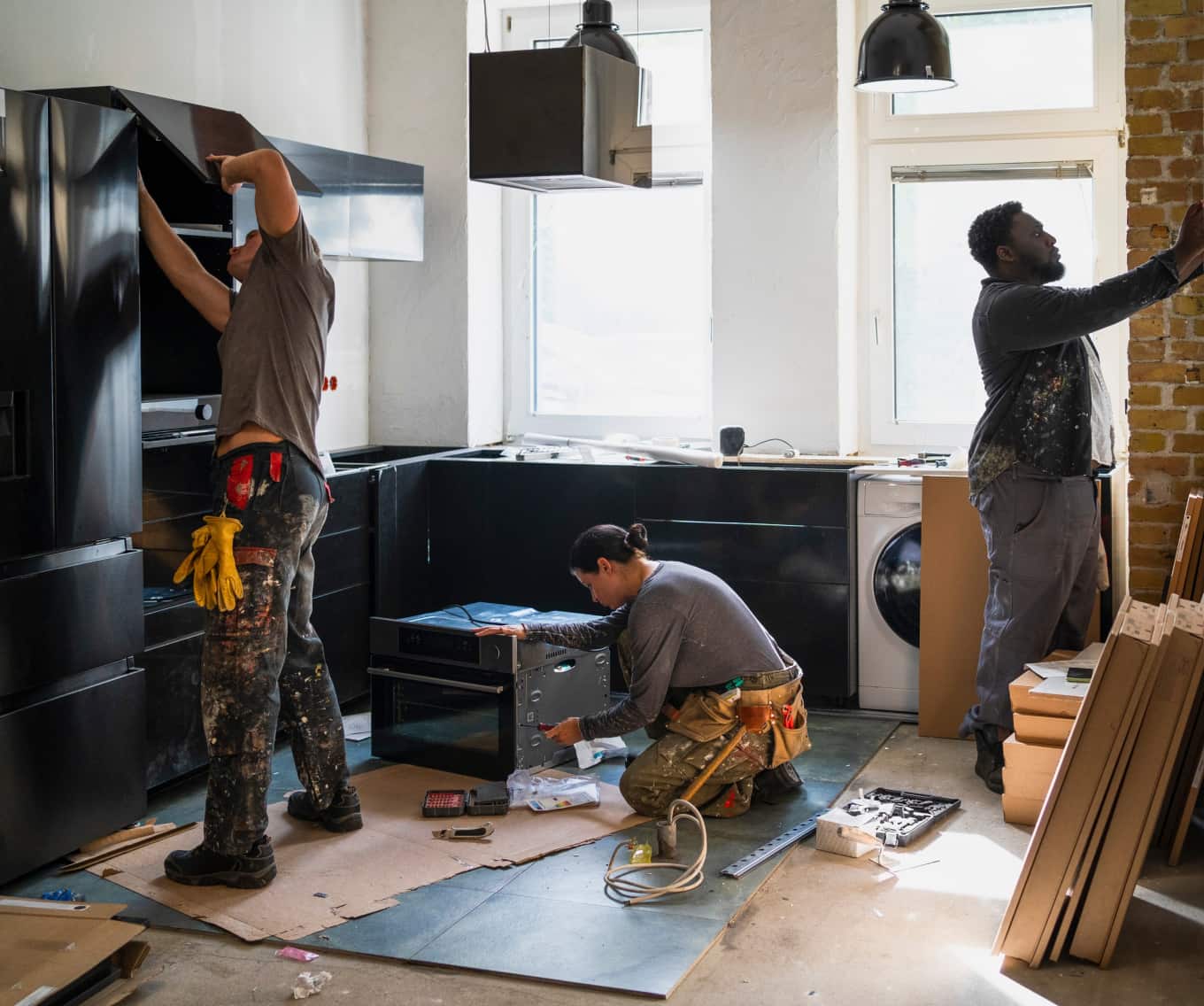
Renovation financing for residential properties in South Carolina.
Residential rehab loans from Hard Money Lenders of Myrtle Beach provide comprehensive financing solutions for investors seeking to renovate distressed residential properties throughout the Grand Strand region. Whether you're planning to fix and flip for quick profits or fix and hold for long-term rental income, our rehab loans cover both the acquisition price and renovation costs in a single, streamlined loan package. This eliminates the complexity of managing multiple funding sources and allows you to focus on executing your renovation vision.
The Myrtle Beach area presents abundant opportunities for residential rehab projects. From hurricane-damaged properties along the coast to aging homes in established neighborhoods like Socastee and Red Hill, there is no shortage of distressed inventory waiting to be transformed. Our lending team has funded hundreds of rehab projects throughout Horry County and understands the unique challenges of renovating properties in coastal South Carolina, including flood zone considerations, wind mitigation requirements, and seasonal construction scheduling.
What sets our residential rehab loans apart is our ability to fund based on the after-repair value (ARV) rather than the current as-is condition. This means we can lend you significantly more than traditional banks, who typically won't finance properties in poor condition. Our loans are structured with interest-only payments during the renovation period, preserving your cash flow for construction expenses. With loan amounts up to 70% of ARV and terms from 6 to 18 months, we provide the capital and timeline flexibility you need to complete quality renovations.
Our residential rehab loans serve investors pursuing various renovation strategies across the Myrtle Beach metropolitan area. The most common application is the classic fix-and-flip model, where investors purchase distressed properties, complete cosmetic and structural improvements, and resell for profit within 3-12 months. Popular flip targets include dated homes in Conway's historic district, storm-damaged properties in coastal communities, and foreclosed homes in suburban neighborhoods. Our loans provide the acquisition capital plus renovation funds, with interest-only payments during the construction period to maximize cash flow for improvements.
The fix-and-hold strategy represents another major application for our rehab loans. Investors purchase properties needing renovation, complete the improvements, refinance into long-term conventional financing, and retain the property as a rental. This approach builds long-term wealth through property appreciation and rental income while allowing investors to recycle their capital into new projects. Many of our clients have built substantial rental portfolios using this strategy, particularly in areas like Little River and Longs where property values have appreciated steadily.
Inherited property renovations present unique challenges that our rehab loans address effectively. When heirs receive properties that have been neglected or are outdated, they often need quick financing to make improvements before listing for sale. Our loans can close rapidly to meet estate timelines, and the renovation funds help maximize sale proceeds. We frequently work with out-of-state heirs who need a reliable local lender to handle South Carolina property transactions remotely.
Major renovation projects requiring extensive structural work, additions, or complete gut rehabs are well-suited to our lending programs. Unlike banks that shy away from complex projects, we embrace them. We've funded projects involving foundation repairs, roof replacements, kitchen and bath overhauls, room additions, garage conversions, and complete property rebuilds. Our draw schedules are structured around project milestones, ensuring you have funds available when contractors need payment while maintaining accountability for project completion.
Residential rehab investors in Myrtle Beach face numerous obstacles that can derail projects and erode profits. One of the most significant challenges is securing financing for properties in poor condition. Traditional lenders require properties to meet minimum habitability standards, which means homes needing major repairs, such as roof replacements, HVAC failures, or structural issues, cannot qualify for conventional loans. This effectively eliminates traditional financing as an option for the very properties that offer the greatest profit potential.
Contractor management presents another major hurdle for rehab investors. Finding reliable, licensed contractors who complete quality work on schedule and within budget is notoriously difficult. Many investors have experienced project delays, cost overruns, or substandard work that requires expensive rework. Coastal South Carolina's humid climate and occasional hurricane activity add complexity, as renovations must address moisture issues, mold remediation, and wind-resistant construction standards that contractors from other regions may not understand.
Permitting and regulatory compliance can create unexpected delays and costs. Each municipality in Horry County has its own building department with specific requirements for permits, inspections, and code compliance. Unpermitted work discovered during the selling process can derail transactions and require expensive retroactive approvals. Flood zone regulations add another layer of complexity, particularly for properties east of Highway 17, where elevation certificates and flood venting requirements must be addressed during renovations.
Market timing and holding costs represent ongoing risks for rehab projects. The longer a property sits unsold or unrented, the more interest, property taxes, insurance, and utilities erode profits. Seasonal fluctuations in the Myrtle Beach market mean properties listed during off-peak months may take longer to sell. Investors must accurately estimate renovation timelines and market absorption rates to ensure their projects remain profitable.
Our approach to residential rehab lending focuses on partnership rather than mere transaction processing. When you bring us a rehab project, we analyze not just the numbers but the feasibility of your renovation plan. Our underwriters review contractor bids, renovation timelines, and comparable sales data to ensure your project has realistic profit margins. If we identify potential issues, such as underestimated repair costs or overly optimistic ARV projections, we provide honest feedback to help you refine your strategy before committing capital.
We structure rehab loans with flexible draw schedules that align with your project milestones. Rather than funding the entire loan amount upfront, we disburse funds in stages as work is completed and inspected. Typical draw schedules include an initial acquisition advance, followed by construction draws for foundation/framing, rough mechanicals, drywall/finish work, and final completion. This protects both you and us by ensuring funds are available when contractors need payment while verifying that work progresses according to plan.
Our local market expertise adds value beyond financing. Having funded hundreds of rehab projects throughout the Grand Strand, we can connect you with reliable contractors, appraisers familiar with ARV calculations, and title companies experienced in handling hard money transactions. We stay current on local building codes, permit requirements, and flood zone regulations that affect renovation projects. When challenges arise during your project, our team is available to discuss solutions and potentially adjust loan terms to keep your project on track.
Our residential rehab loans are available throughout Horry County, South Carolina, including Myrtle Beach, Conway, North Myrtle Beach, Surfside Beach, Garden City, Little River, Murrells Inlet, Socastee, Loris, Longs, Aynor, and surrounding communities where renovation opportunities abound.
We calculate loan amounts based on the after-repair value (ARV) of the property, typically lending up to 70% of ARV. For example, if a property will be worth $300,000 after renovations, we can lend up to $210,000 total (including both acquisition and rehab funds). We also consider the purchase price and repair estimate to ensure the project makes financial sense. Your total loan amount will be the lesser of 70% ARV or the sum of purchase price plus rehab costs.
We require licensed and insured contractors to complete all work on rehab projects. This protects both you and us by ensuring the work is done professionally and meets building code requirements. We disburse rehab funds directly to contractors based on completed work verified through inspections. While you cannot do the work yourself to draw funds, you can serve as the general contractor overseeing the project and hiring subcontractors.
Cost overruns are a common challenge in rehab projects. We recommend building a 10-15% contingency into your renovation budget for unexpected issues. If you encounter expenses exceeding your original budget, you have several options: fund the overage from your own reserves, request a loan modification if the ARV supports additional funding, or adjust the scope of work to stay within budget. We recommend being conservative in your initial estimates to avoid shortfalls.
Our residential rehab loans typically have terms of 6 to 18 months, depending on the scope of work and your exit strategy. Interest-only payments are due monthly during the renovation period. Most investors either sell the property to repay the loan (fix-and-flip strategy) or refinance into long-term conventional financing (fix-and-hold strategy). If you need additional time, extensions may be available for a fee.
Required documentation includes: purchase contract or listing agreement, detailed repair estimate from a licensed contractor, scope of work outlining all planned improvements, recent comparable sales supporting your ARV, property photos showing current condition, your financial statement, proof of down payment funds, and contractor license and insurance information. Having these documents organized before applying will expedite the approval process.
Get started today and receive multiple competitive loan offers from verified hard money lenders.